

Shoulder exercises
The 8 staple movements, taken from the 3,215 exercise guides in the SETR app: technique, recommended volume, cues and classic mistakes.
The deltoid has three heads that do not work the same way. The front head already gets plenty from chest pressing. The side head, which gives the shoulders their width, needs lateral raises. The rear head, often neglected, is trained by pulling: rear-delt flyes, face pulls. An overhead press rounds it off.
1. Standing overhead press
Barbell Standing Military Press
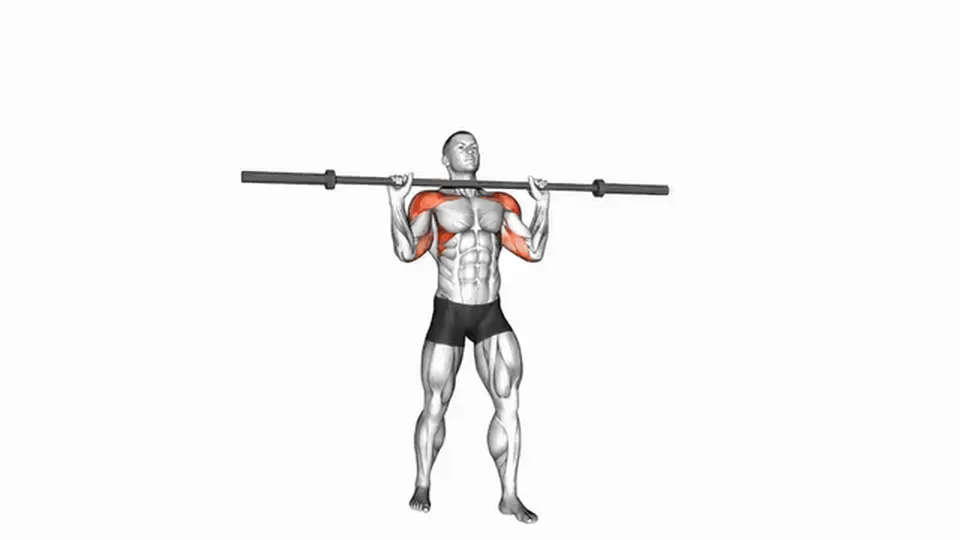
- Sets
- 3-4
- Reps
- 10-15
- Tempo
- 3-0-1-0
- Equipment
- Barbell
- Level
- Intermediate
- Muscles worked
- Shoulders · secondary : Triceps, Traps
How to do it
- Standing, feet hip-width apart, bar resting on your front delts, hands slightly wider than your shoulders.
- Squeeze your glutes and abs, ribs down, elbows slightly in front of the bar.
- Press the bar straight up, bringing your head through as soon as the bar passes your forehead.
- Lock your arms out overhead, then slowly lower back to your shoulders.
Tips
- Pull your head back as the bar goes past, then push it forward at the top: the bar stays vertical.
- Bracing is the real limit when standing: squeeze your glutes and abs before each rep.
- If your lower back arches, the load is too heavy.
Mistakes to avoid
- Arching your lower back heavily to finish the press.
- Pushing the bar forward instead of straight up.
- Bending your legs and turning the movement into a push press.
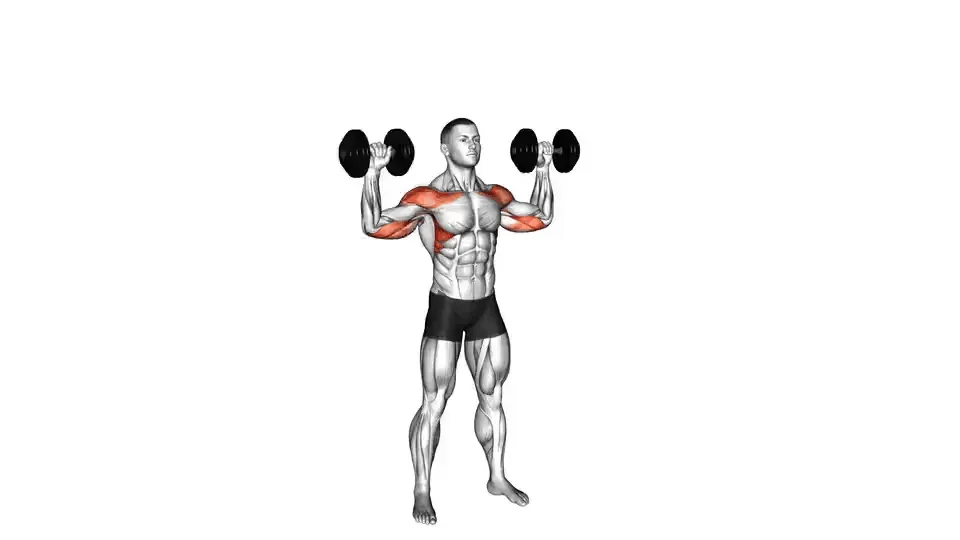
2. Dumbbell shoulder press
- Sets
- 3-4
- Reps
- 6-10
- Tempo
- 3-1-1-0
- Equipment
- Dumbbells
- Level
- Intermediate
- Muscles worked
- Shoulders, Triceps
How to do it
- Stand or sit, a dumbbell in each hand at shoulder height.
- Keep your core braced throughout the movement.
- Press the dumbbells straight up overhead to full arm extension.
- Lower the dumbbells under control to the starting position.
Tips
- Dumbbells allow a natural path and one-sided work that a barbell doesn't.
- Keep your glutes and abs squeezed to avoid arching your lower back.
- Keep your wrists straight throughout the press.
Mistakes to avoid
- Arching your lower back excessively to help the press.
- Using leg drive to help the movement.
- Letting the dumbbells come too close to your face on the way down.
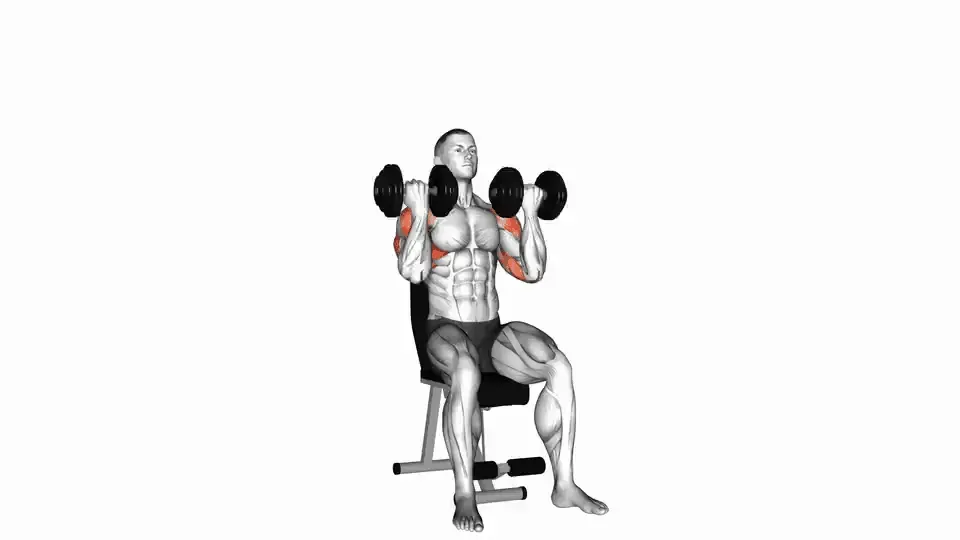
3. Arnold press
Dumbbell Arnold Press
- Sets
- 3-4
- Reps
- 6-10
- Tempo
- 3-1-1-0
- Equipment
- Dumbbells
- Level
- Intermediate
- Muscles worked
- Shoulders, Triceps
How to do it
- Sit or stand, a dumbbell in each hand in front of your shoulders, palms facing you.
- Press the dumbbells up while gradually turning your palms forward.
- Finish the press at full extension, palms facing forward.
- Lower by reversing the rotation back to the starting position, palms facing you.
Tips
- Rotating during the press works all three heads of the delt more completely.
- Sync the wrist rotation with the dumbbells rising.
- Keep your core braced so you don't arch your lower back.
Mistakes to avoid
- Rushing the rotation at the expense of control.
- Arching your lower back excessively to help the press.
- Not completing the full rotation at the top.
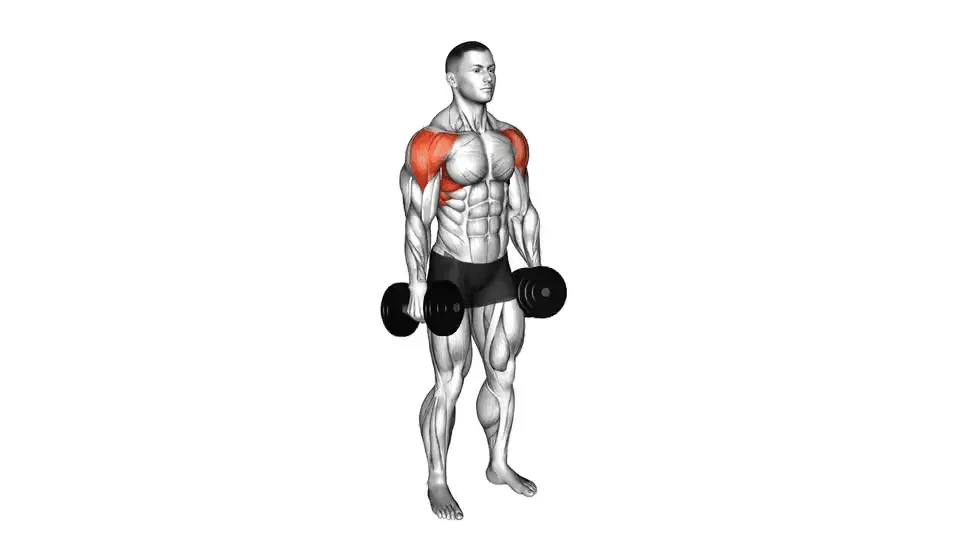
4. Dumbbell lateral raise
- Sets
- 3-4
- Reps
- 10-15
- Tempo
- 3-0-1-0
- Equipment
- Dumbbells
- Level
- Beginner
- Muscles worked
- Shoulders
How to do it
- Stand holding a dumbbell in each hand at your sides, elbows slightly bent.
- Keep that slight elbow bend fixed throughout the movement.
- Raise your arms out to the sides to shoulder height.
- Lower with control back to the starting position.
Tips
- Lead the movement with your elbows rather than your hands, as if pouring water from a jug.
- Don't raise beyond shoulder height, which brings in your traps rather than your delts.
- Use a moderate load — this isolation movement doesn't call for maximal loads.
Mistakes to avoid
- Using torso momentum to swing the dumbbells up.
- Raising your arms beyond shoulder height.
- Bending your elbows more, turning the movement into a row.
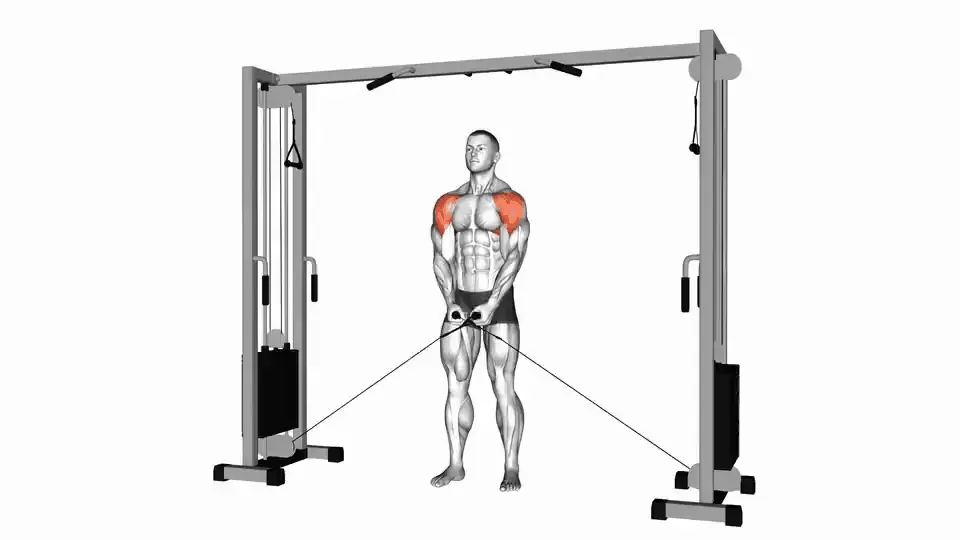
5. Cable lateral raise
- Sets
- 3-4
- Reps
- 10-15
- Tempo
- 3-0-1-0
- Equipment
- Cable
- Level
- Beginner
- Muscles worked
- Shoulders
How to do it
- Stand next to the low pulley, holding the handle in one hand in front of the opposite thigh.
- Keep a slight, fixed bend in your elbow throughout the movement.
- Raise your arm out to the side to shoulder height.
- Lower under control, then switch arms after the set.
Tips
- The cable tension stays constant throughout the movement, unlike dumbbells.
- Lead the movement with your elbow rather than your hand.
- Don't raise beyond shoulder height.
Mistakes to avoid
- Using torso momentum to help the raise.
- Raising your arm beyond shoulder height.
- Standing too far from the pulley, which changes the line of pull.
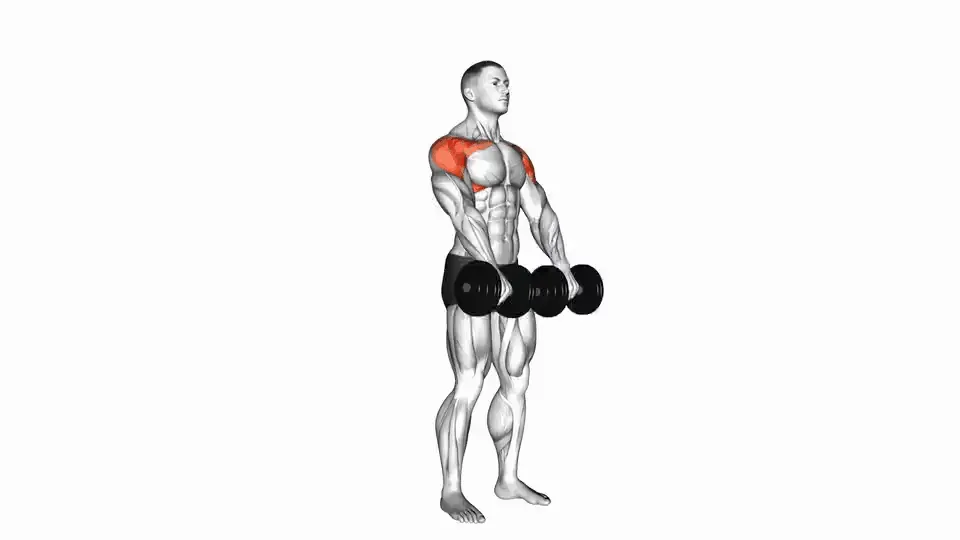
6. Dumbbell front raise
- Sets
- 3-4
- Reps
- 10-15
- Tempo
- 3-0-1-0
- Equipment
- Dumbbells
- Level
- Beginner
- Muscles worked
- Shoulders
How to do it
- Stand holding a dumbbell in each hand in front of your thighs.
- Keep a slight, fixed bend in your elbows throughout the movement.
- Raise your arms in front of you to shoulder height.
- Lower with control back to the starting position.
Tips
- Don't swing the dumbbells — the movement must come strictly from your shoulder.
- Don't raise beyond shoulder height.
- Keep your core braced so you don't arch your lower back.
Mistakes to avoid
- Using torso momentum to swing the dumbbells up.
- Raising your arms beyond shoulder height.
- Arching your lower back to help the raise.
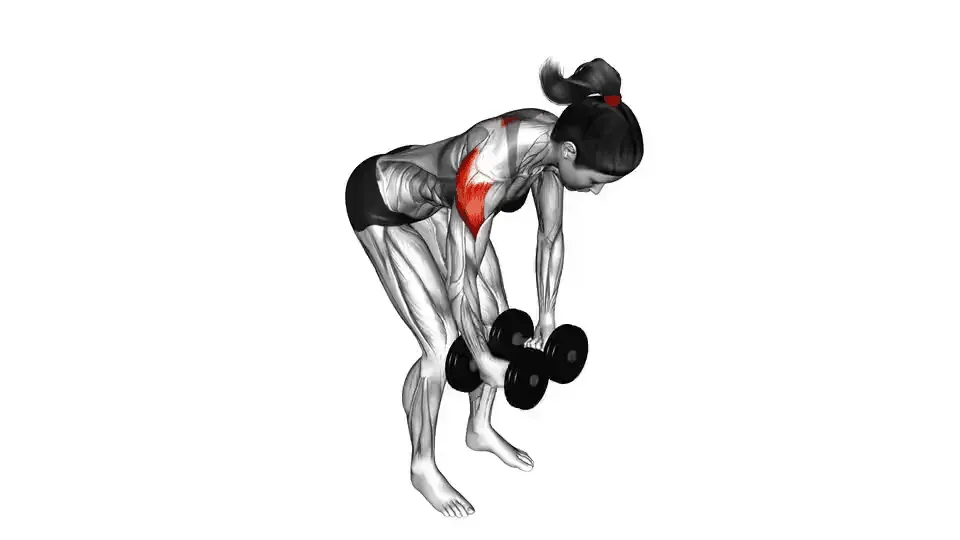
7. Rear delt fly
Dumbbell Rear Delt Fly
- Sets
- 3-4
- Reps
- 10-15
- Tempo
- 3-0-1-0
- Equipment
- Dumbbells
- Level
- Beginner
- Muscles worked
- Shoulders · secondary : Back
How to do it
- Bend your torso forward, a dumbbell in each hand, arms extended toward the floor.
- Keep a slight, fixed bend in your elbows throughout the movement.
- Raise your arms out to the sides to shoulder height, squeezing your upper back.
- Lower with control back to the starting position.
Tips
- Keep your back flat and your torso still, without using momentum to lift the dumbbells.
- Deliberately squeeze your shoulder blades in the top position, not just your arms.
- Use a light load — this isolation movement doesn't call for maximal loads.
Mistakes to avoid
- Standing up to help the raise.
- Using momentum instead of a controlled contraction.
- Rounding your back in the bent-over position.
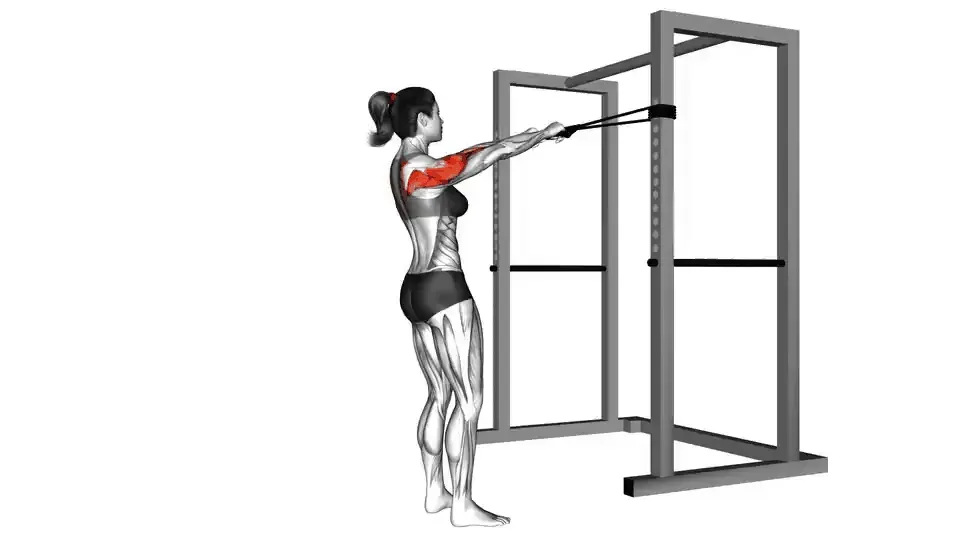
8. Face pull
- Sets
- 3-4
- Reps
- 10-15
- Tempo
- 3-0-1-0
- Equipment
- Resistance Band
- Level
- Beginner
- Muscles worked
- Shoulders · secondary : Back, Traps
How to do it
- Stand facing the high anchor of the band or pulley, ends held at face height.
- Pull your hands toward your face, spreading your elbows out to the sides, above your hands.
- Squeeze your shoulder blades and upper back hard at the end of the pull.
- Lower under control to full arm extension.
Tips
- Keep your elbows high, above hand level, throughout the pull.
- This movement targets the rear delts and external rotators, excellent for shoulder health.
- Use a moderate load; the quality of the contraction matters more than the weight.
Mistakes to avoid
- Letting your elbows drop below your hands.
- Using torso momentum to help the pull.
- Pulling toward your chest instead of your face, which changes the nature of the exercise.
Tempo is read in seconds: lowering, pause at the bottom, lifting, pause at the top. “3-1-1-0” means three seconds down, a one-second pause, one second up, then straight into the next rep.
How to combine them
There is no need to do them all in one session. Two or three exercises per muscle are enough: a heavy compound lift first, while you are fresh, then one or two more targeted moves.
Aim for roughly 10 to 20 sets per muscle per week, spread over two sessions, with sets taken to within 1 to 3 reps of failure. Beyond that, fatigue grows faster than results.
Keep the same main lifts for at least eight weeks: it is the only way to tell whether you are genuinely progressing.
407 exercises for this muscle in the app