

Adductor exercises
The 7 staple movements, taken from the 3,215 exercise guides in the SETR app: technique, recommended volume, cues and classic mistakes.
The adductors, on the inside of the thigh, draw the leg back towards the midline. They make up a large share of thigh mass and do a lot of work in squats, especially with a wide stance. Strengthening them protects against one of the commonest sports injuries: groin strains.
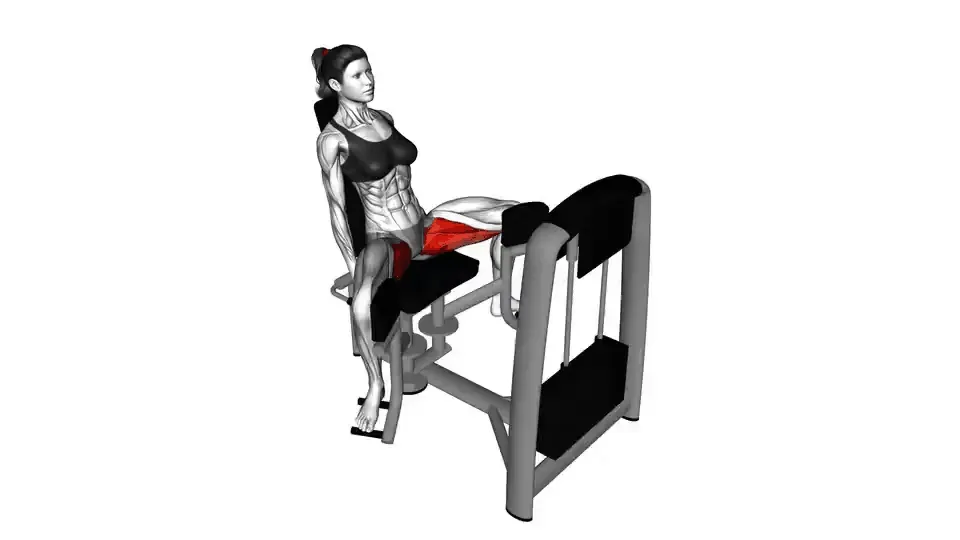
1. Hip adduction machine
- Sets
- 3-4
- Reps
- 10-15
- Tempo
- 3-0-1-0
- Equipment
- Machine
- Level
- Beginner
- Muscles worked
- Adductors
How to do it
- Sit in the machine and adjust the pads so they touch your inner thighs when your legs are apart.
- Grab the side handles and press your back against the backrest.
- Bring your legs together by pushing against the pads.
- Return to the open position under control until you feel a comfortable stretch.
Tips
- Set the machine's range for a comfortable stretch without straining your hips.
- Hold a firm one-second squeeze in the closed position.
- Keep your back pressed against the backrest throughout the set.
Mistakes to avoid
- Using an excessive range that strains your hip joints.
- Letting the weight snap back to the open position.
- Leaning forward to help the movement instead of staying braced against the backrest.
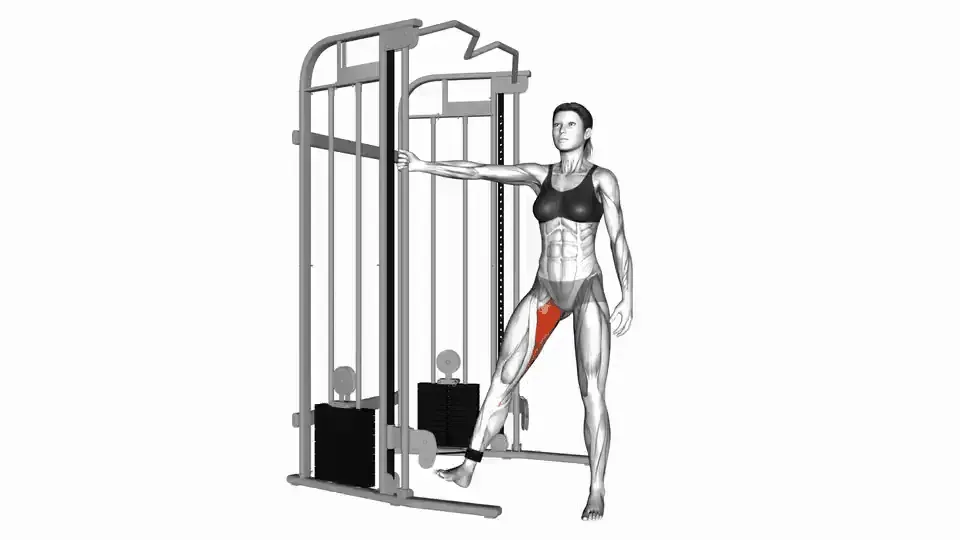
2. Cable hip adduction
- Sets
- 3-4
- Reps
- 10-15
- Tempo
- 3-0-1-0
- Equipment
- Cable
- Level
- Beginner
- Muscles worked
- Adductors
How to do it
- Attach an ankle cuff to the low pulley and strap it to the leg closest to the machine.
- Stand side-on to the pulley, supported on your free leg, and let your loaded leg move out to the side.
- Bring your loaded leg inward, passing it in front of your standing leg.
- Return to the starting position under control without letting the pulley yank your leg.
Tips
- Keep your hips square to the machine throughout the movement.
- Squeeze your inner thigh hard as your legs cross.
- Hold on to a support (handle or machine frame) to keep your balance.
Mistakes to avoid
- Rotating your hips instead of keeping them fixed.
- Using too heavy a load that stops you from controlling the return.
- Shortening the range by not bringing your leg in far enough.
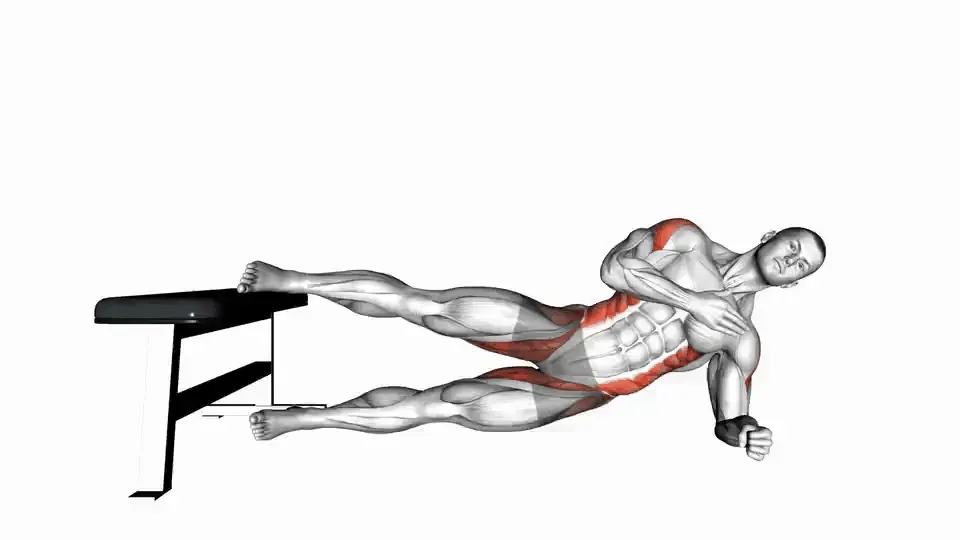
3. Copenhagen side plank
Side Plank Hip Adduction
- Sets
- 3-4
- Reps
- 10-15
- Tempo
- 3-0-1-0
- Equipment
- Bodyweight
- Level
- Beginner
- Muscles worked
- Adductors, Obliques
How to do it
- Get into a side plank on your forearm, body aligned from head to feet.
- Rest your top leg in front of you, on the floor or on a bench, to stabilize the position.
- Raise your bottom leg toward your top leg, squeezing your inner thigh.
- Lower under control without breaking the plank alignment.
Tips
- Brace your core hard throughout the movement to keep your hips aligned.
- Keep your body in a straight line — don't let your hips sag toward the floor.
- Start with your top knee on the floor if the full version is too difficult.
Mistakes to avoid
- Letting your hips sag, which reduces both the core and adductor work.
- Using momentum to raise your leg instead of a controlled contraction.
- Neglecting core engagement by focusing only on your leg.
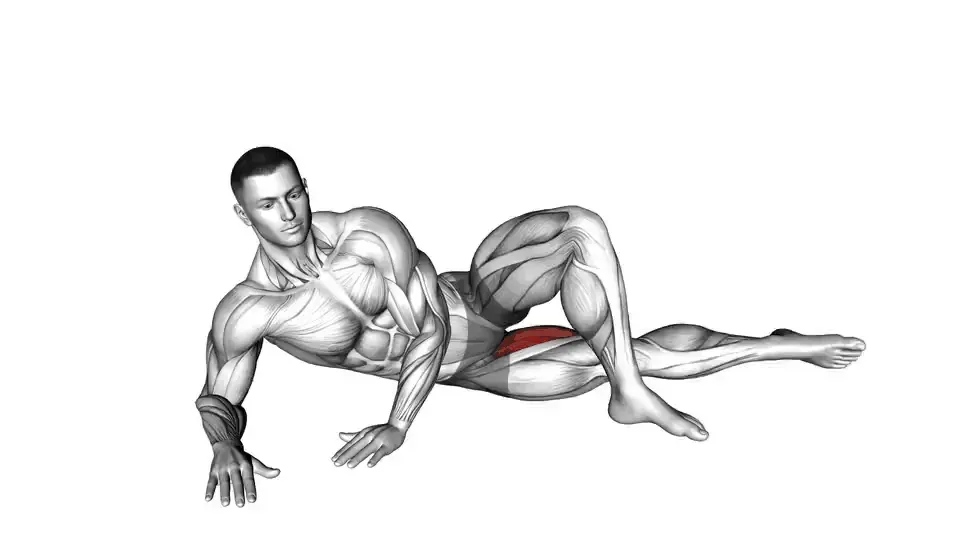
4. Side-lying hip adduction
Side Lying Hip Adduction
- Sets
- 3-4
- Reps
- 10-15
- Tempo
- 3-0-1-0
- Equipment
- Bodyweight
- Level
- Beginner
- Muscles worked
- Adductors
How to do it
- Lie on your side, top leg bent and placed in front of you on the floor.
- Keep your bottom leg perfectly straight, in line with your torso.
- Raise your bottom leg toward the ceiling, keeping your foot horizontal.
- Lower under control without fully resting your leg on the floor.
Tips
- Keep your hips stacked vertically, without rolling back.
- Lightly brace your core to stabilize your hips during the exercise.
- Slow the tempo down to really isolate your inner thigh.
Mistakes to avoid
- Letting your hips tip back to raise your leg higher.
- Swinging your leg with momentum instead of a controlled movement.
- Flexing your foot excessively instead of keeping it neutral.
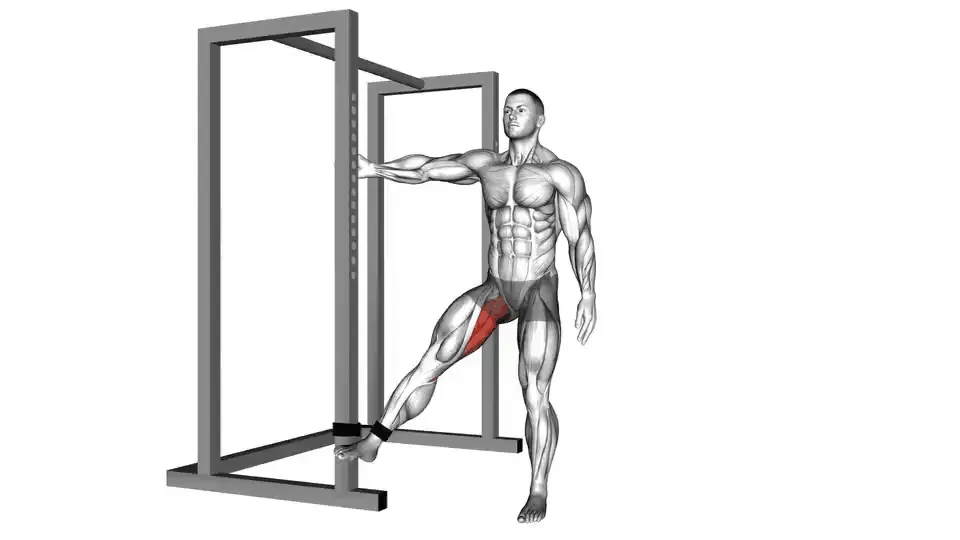
5. Band hip adduction
- Sets
- 3-4
- Reps
- 10-15
- Tempo
- 3-0-1-0
- Equipment
- Resistance Band
- Level
- Beginner
- Muscles worked
- Adductors
How to do it
- Attach the band to a low fixed point and the other end to your ankle, standing perpendicular to the anchor.
- Stand on the leg furthest from the anchor, your other leg slightly out to the side to create tension.
- Bring your straight leg inward, passing it in front of or behind your standing leg.
- Slowly return to the starting position, resisting the band's pull.
Tips
- Keep your hips stable and avoid turning during the movement.
- Squeeze your inner thigh hard at the point closest to your body.
- Hold on to a fixed support if balancing is difficult at first.
Mistakes to avoid
- Leaning or rotating your torso to make up for poor balance.
- Letting the band pull your leg back too fast.
- Using too little tension to really work your adductors.
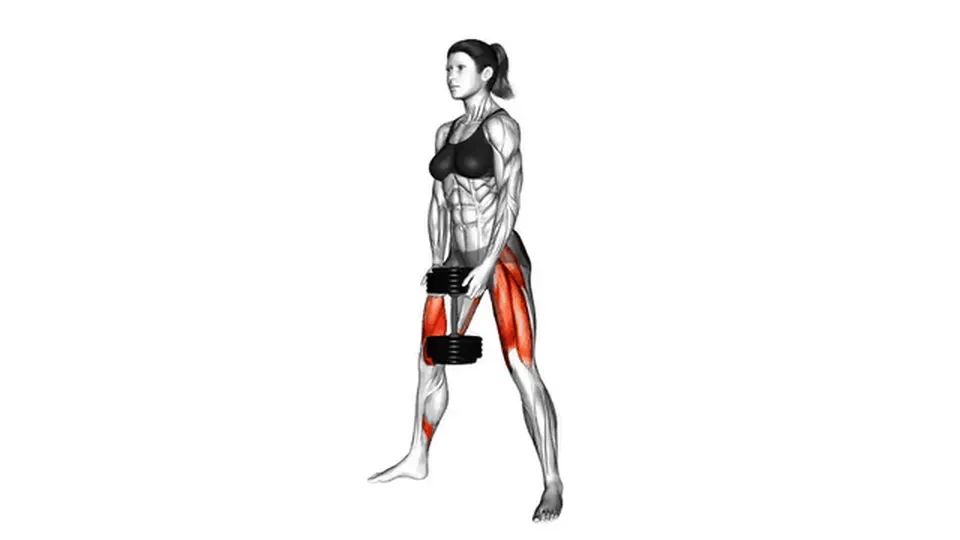
6. Dumbbell sumo squat
- Sets
- 3-4
- Reps
- 6-10
- Tempo
- 3-1-1-0
- Equipment
- Dumbbells
- Level
- Intermediate
- Muscles worked
- Quads · secondary : Adductors, Glutes
How to do it
- Standing, feet wide apart, toes turned outward, holding a dumbbell with both hands.
- Let the dumbbell hang between your legs, arms straight, torso upright.
- Lower by pushing your knees out until you pass parallel.
- Rise by driving through your heels and squeezing your glutes at the top.
Tips
- Choose a stance width that lets you go low without your heels lifting.
- Keep your weight spread across your whole foot, never on your toes.
- Your torso stays vertical: that's what sets the sumo apart from a regular squat.
Mistakes to avoid
- Leaning your torso forward to go lower.
- Letting your knees cave in.
- Taking such a wide stance that your groin pulls.
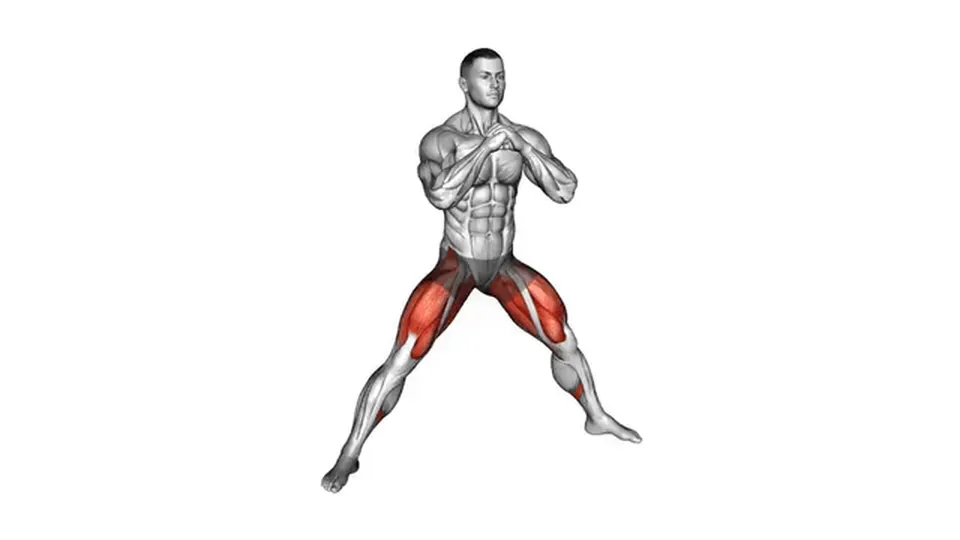
7. Cossack squat
- Sets
- 3-4
- Reps
- 6-10
- Tempo
- 3-1-1-0
- Equipment
- Bodyweight
- Level
- Intermediate
- Muscles worked
- Quads · secondary : Adductors, Glutes
How to do it
- Standing, feet very wide apart, toes turned slightly outward, hands in front of your chest.
- Shift your weight onto one leg as you bend it, keeping the other leg straight on the floor.
- Lower as far as possible on the bent leg, heel on the floor, toes of the straight leg pointing up.
- Rise by driving through your heel, then shift to the other leg.
Tips
- The heel of the bent leg stays on the floor: that's the sign of correct execution.
- Hold a light counterweight in front of you to help your balance at first.
- Ankle and hip mobility is the limiting factor: progress slowly.
Mistakes to avoid
- Lifting the heel of the bent leg.
- Rounding your back at the bottom.
- Going lower than your groin can tolerate.
Tempo is read in seconds: lowering, pause at the bottom, lifting, pause at the top. “3-1-1-0” means three seconds down, a one-second pause, one second up, then straight into the next rep.
How to combine them
There is no need to do them all in one session. Two or three exercises per muscle are enough: a heavy compound lift first, while you are fresh, then one or two more targeted moves.
Aim for roughly 10 to 20 sets per muscle per week, spread over two sessions, with sets taken to within 1 to 3 reps of failure. Beyond that, fatigue grows faster than results.
Keep the same main lifts for at least eight weeks: it is the only way to tell whether you are genuinely progressing.
46 exercises for this muscle in the app